
Seen Youth Lab · Istanbul
Try the work first. Then choose your degree.

Hands-on programs your school or organization books for ages 14–20. Students build something that works in technology, design and entrepreneurship, so they choose their degree with evidence.
- Designed and led by Mazen Naji, mechatronics engineer
- 100+ young people
- 12 of 12 positive reviews
Pilot partnersThe first 2 schools to sign get up to 25% off.
- young people in programs led by Seen’s founder
- 100+
- from zero to a working prototype, in the computer vision workshop
- 16h
- written student reviews, positive overall
- 12/12
Student work · Computer vision workshop, Istanbul
16 hours. From zero to a working prototype.
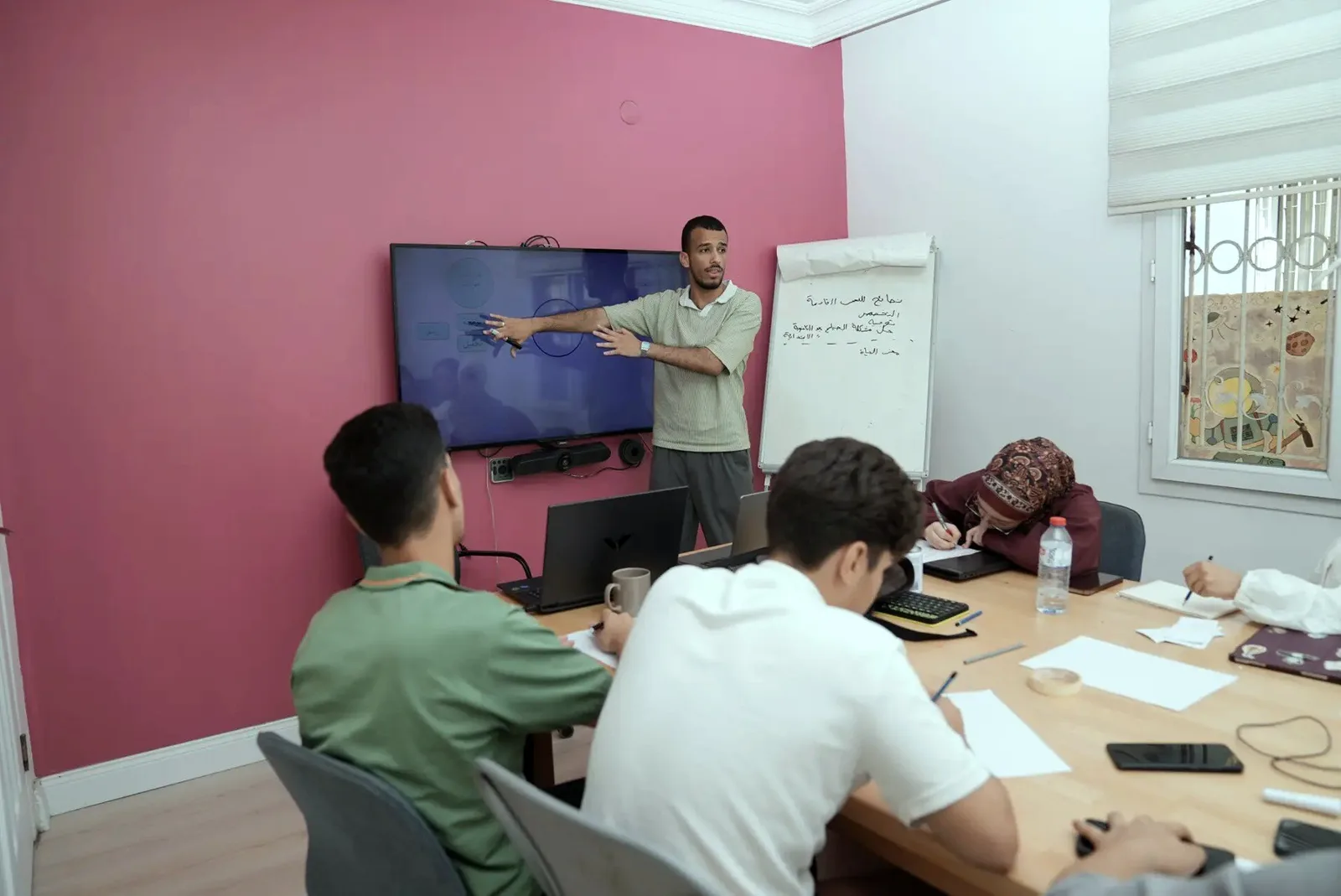
High-school students with little tech background. No lectures: 16 hours of hands-on work and three working prototypes.
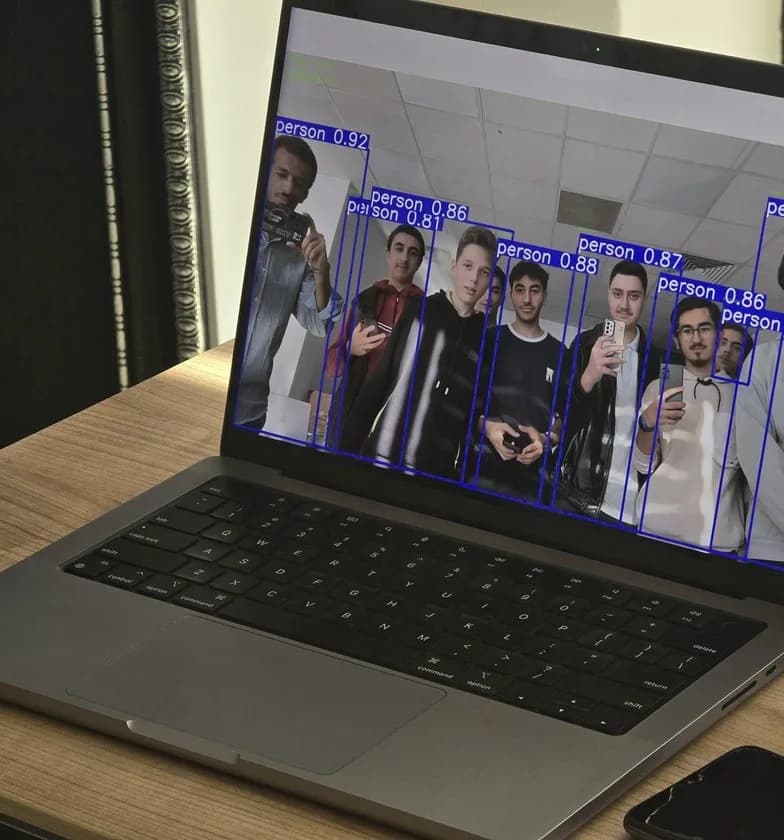
Crowd monitor
A camera in the school corridor counts students and alerts staff when crowding passes a safe limit.
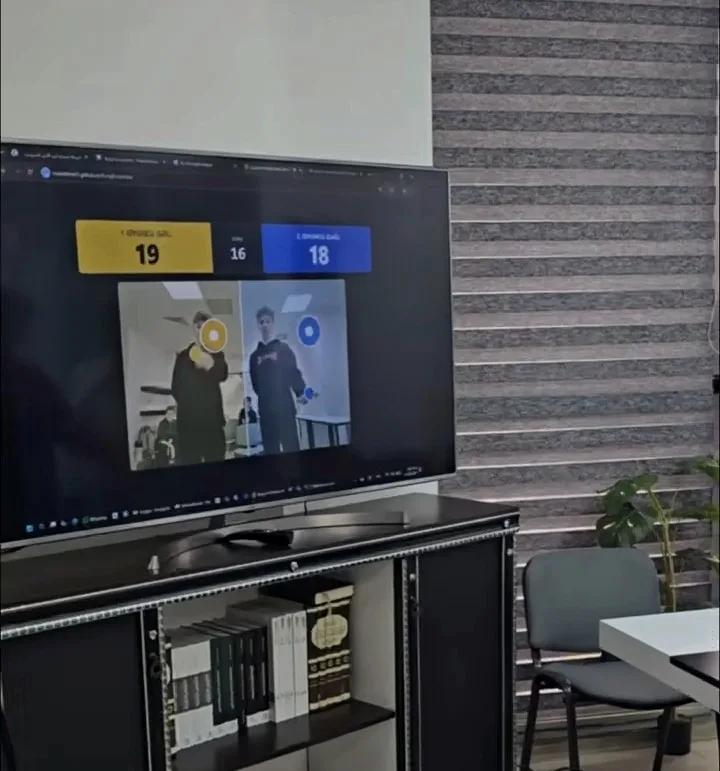
Gesture reflex game
A two-player game played with hands only, on phone or PC. No keyboard, no mouse.
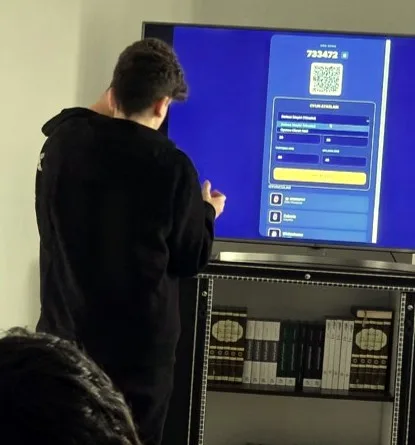
Mafia game app
QR sign-in and automatic roles, ready to publish.
PYTHON · OPENCV · MEDIAPIPE · REACT · FIREBASE
Outcomes
What stays after the program?

For students
- A working prototype they built themselves.
- Real contact with a field before choosing a degree.
- A pitch in front of a panel or an audience.
For the school
- A demo day parents can attend.
- A short report on what students built and learned.
- Photos from the program, with guardian consent.
For NGOs and funders
- Attendance for every session.
- A before-and-after survey on degree confidence.
- An impact report ready for donor reporting.
Programs
Four formats, one goal.

The longer the format, the deeper the tech. Every format includes degree and career guidance.
Easiest first booking
1–3 hours
Activity
One hands-on question. No skills needed.
ExampleThe “Choosing your university path” activity.
Students leave withA first idea and a clearer direction.1–3 days
Workshop
One tool, learned by using it.
ExampleA 16-hour computer vision workshop.
Students leave withA first working prototype.4–5 days
Short sprint
One challenge, from research to a pitch in front of a panel.
ExampleSports startup camps, 10 students per camp.
Students leave withA prototype and an investor pitch.2–4 weeks
Long sprint
A themed studio with deeper tech.
ExampleA 10-day entrepreneurship and marketing sprint.
Students leave withAn advanced prototype and a demo day.
Price depends on the format, length and number of students. After a short call we send you a detailed proposal.
Pilot partnersThe first 2 schools to sign get up to 25% off.
Fields
Electronics and robotics
Arduino, sensors, simple robots
Coding, AI and vision
Web apps, games, computer vision
Product design and making
CAD, laser cutting, 3D printing
Story, media and business
Storytelling, branding, pitching
Three ways we help students choose
- 1A standalone activity: “Choosing your university path”.
- 2Built into every sprint: try a real field, then reflect on what you enjoyed.
- 3One-to-one advising, for students who want a clear plan.
Steps
How we start with your school.

- 1
A free 20-minute call
We learn about your students: their ages, interests and the time you have.
- 2
A detailed proposal
We suggest the format, the field and a day-by-day plan, with the price.
- 3
The program and the report
We run it at your school or center, then send a short report on what students built and learned.
Included in every program
- Curriculum and mentor
- Degree guidance
- A demo day
- The short report
- Guardian consent forms
What we need from you
- A room that fits the group
- A screen or projector, and internet
- Laptops for coding workshops, agreed on the call
- A staff member present at sessions
Safety and consent
Student safety comes first.
Written consent before any photo
We ask for guardian consent for every student under 18, and never publish a photo without it.
No names next to faces
We never publish a student’s full name with their photo.
Age-appropriate tools
We choose tools and materials for the students’ age, and start every session with safety instructions.
Student data for the program only
We use student data to run the program and write its report, and nothing else.
How we teach
We always start with a question.
Q: Why doesn’t the Moon fall on us?

It does fall, all the time.
But it moves sideways so fast that by the time it falls towards us, the Earth has curved away beneath it. It keeps falling and never arrives. That is an orbit.
- its sideways speed
- ~1 km/s
- it falls towards us each second
- ~1.4 mm
Every session works like this: a question nobody in the room can answer yet, then an experiment, then something you can hold.

Student feedback
In their words.

“One of the most special workshops I’ve attended, even better than some studios I’ve been part of. I learned a million things about myself.”
Student · 10-day entrepreneurship sprint
“It made me feel like this kind of work is actually achievable, not just a dream.”
Student · same sprint
“I attended this same workshop two years ago, but it wasn’t nearly as professional or rich as this one.”
Returning student
“I wanted to launch a serious project: professional, calculated and low-risk. Now I have a much clearer map.”
Student · same sprint
About
Who’s behind Seen?

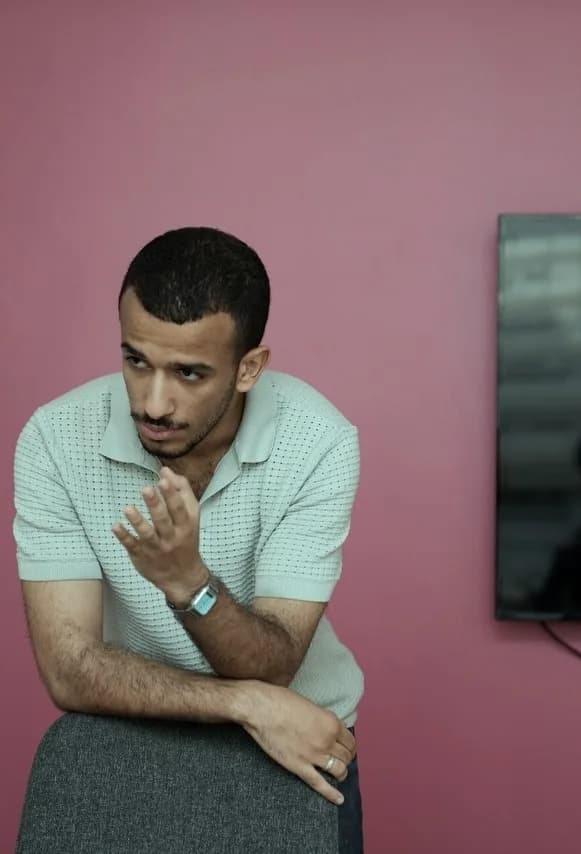
Mazen Naji
Founder · Mechatronics engineer and creative technologist
Spent years as a student in the studio model, then became a mentor assistant, co-mentor and lead mentor.
Designed a 10-day entrepreneurship sprint, a 16-hour computer vision workshop and the “Choosing your path” activity. Co-founded Lujja, which brought 7 specialists to 150+ university students.
- young people taught
- 100+
- formats already delivered
- 4/4
Programs he has led
- 2026Sports startup camps40 youth · 16 prototypes · Lead mentor
- 2026“Choosing your path”Activity · Designed and led
- 2026Computer vision, Istanbul16-hour workshop · 3 prototypes · Designed and led
- 2025Entrepreneurship and marketing, Istanbul10-day sprint · Designer and co-mentor
- 2024Lujja, Istanbul7 workshops · 150+ university students · Co-founder
- –2023Studio innovation program, IstanbulLong studios · Student, then mentor assistant
Past programs belonged to their hosts. Seen runs its own curriculum.
FAQ
Questions schools ask.

What ages do you work with?
14 to 20. We adapt the level to the students’ experience, and they don’t need any prior skills.
What language are programs in?
Arabic or English, depending on your students.
How many students per group?
In sprints we work in groups of about 10 students per mentor; activities can take more. We agree the number with you on the call.
Where does the program happen?
At your school or center in Istanbul. For the Gulf and outside Türkiye, the host covers travel.
How much does it cost?
It depends on the format, length and number of students. After a short call we send a detailed proposal; materials are charged separately. The first 2 schools to sign get up to 25% off.
Can we start small?
Yes. The easiest start is a 1–3 hour activity. Then you decide whether you want a workshop or a sprint.
What stays after the program?
The prototypes students built, a short report, and photos from the program with guardian consent.
Book a call
Design a program for your students.

Tell us about your students and we’ll set up a free 20-minute call.
Pilot partnersThe first 2 schools to sign get up to 25% off.